
On 31 July 2026, Lekurruki Community Conservancy officially launched the rehabilitated Nyongoni Block, 300 acres of rangeland near the conservancy headquarters, now fully enclosed by a new electric fence and on its way to recovery. Elders, community members, partners and government representatives gathered at HQ to bless the site and commit to protecting it.
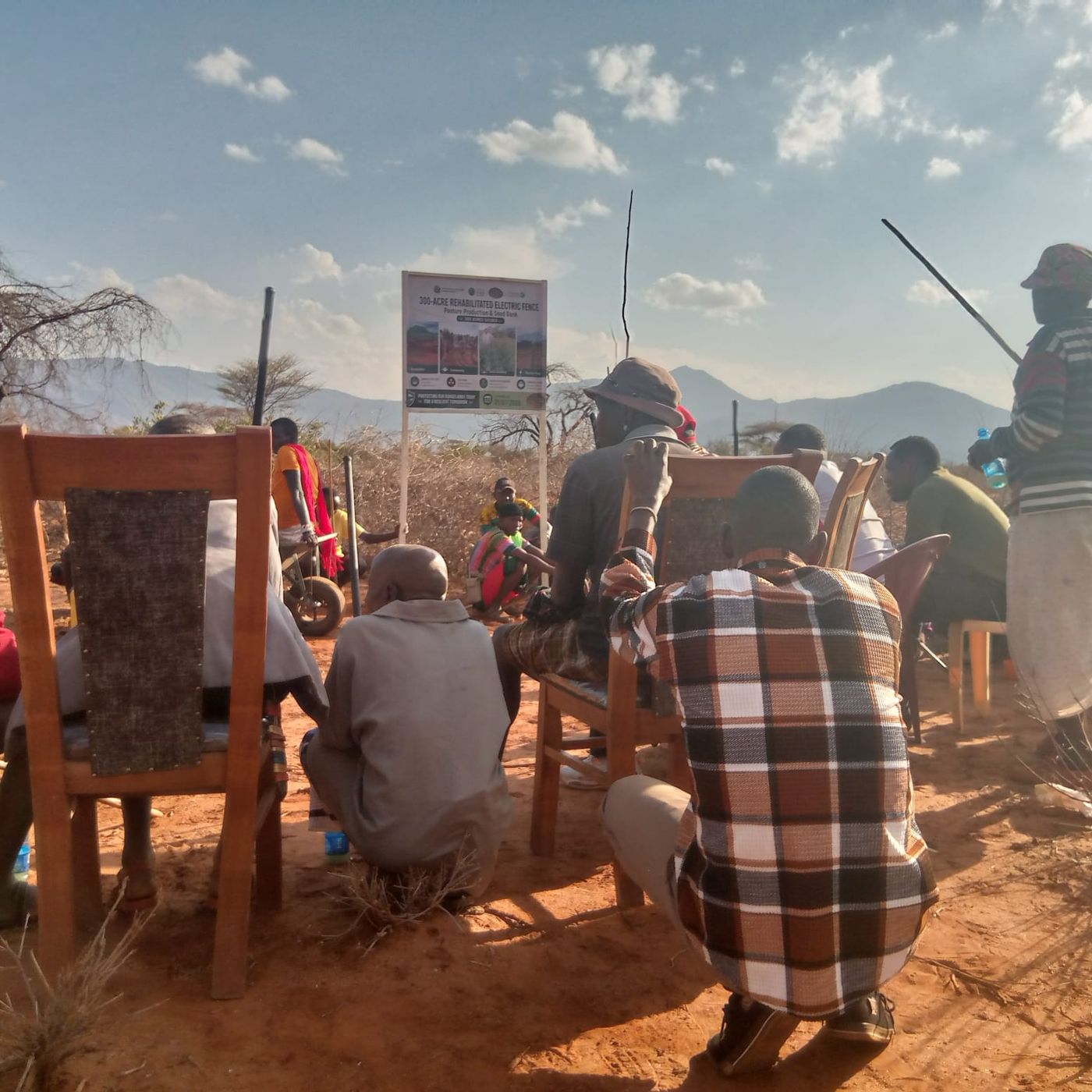
Healthy Land = Healthy Livestock = Healthy Community
From degraded land to a protected recovery zone
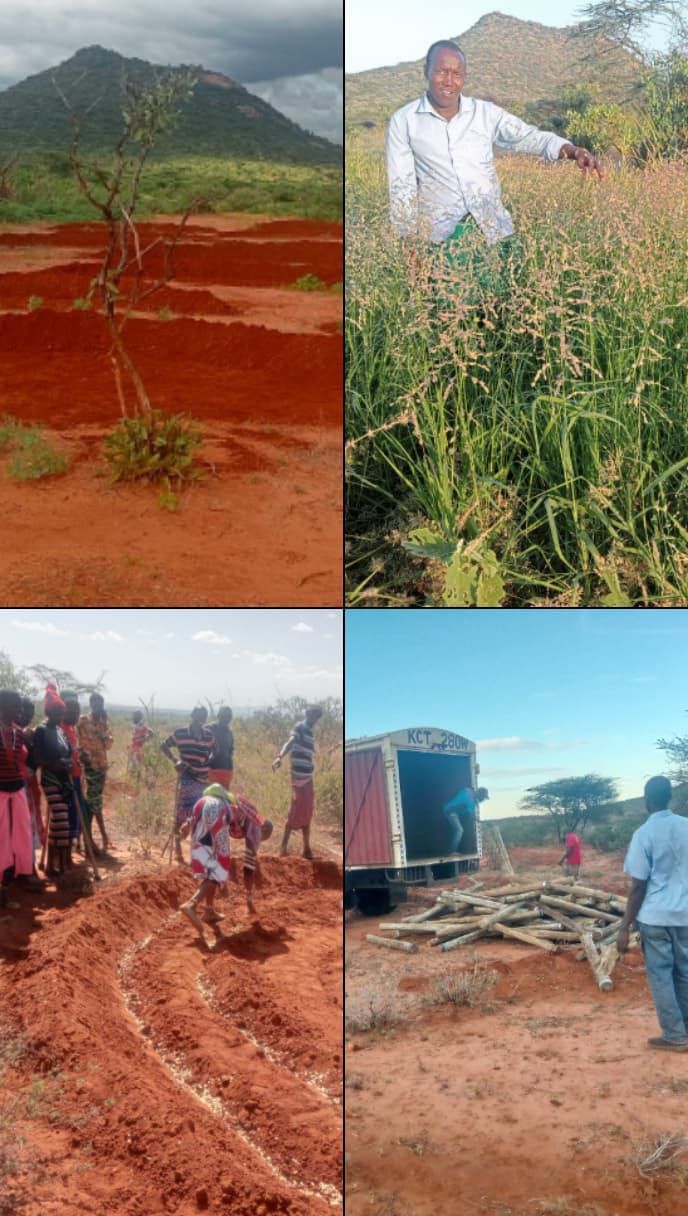
For years, the Nyongoni Block showed the classic signs of a struggling rangeland: soil erosion, thinning vegetation, fast runoff after rain and spreading patches of bare ground. That meant less pasture for livestock, less habitat for wildlife and a growing risk to the pastoralist families who depend on this land.
The conservancy responded with a two-part approach: protect the land first, then help it heal. The area was assessed and marked out, a perimeter electric fence was built to keep livestock out, and semi-circular bunds were dug across the most degraded sections. Throughout, the community was kept informed about why the area needed to rest.
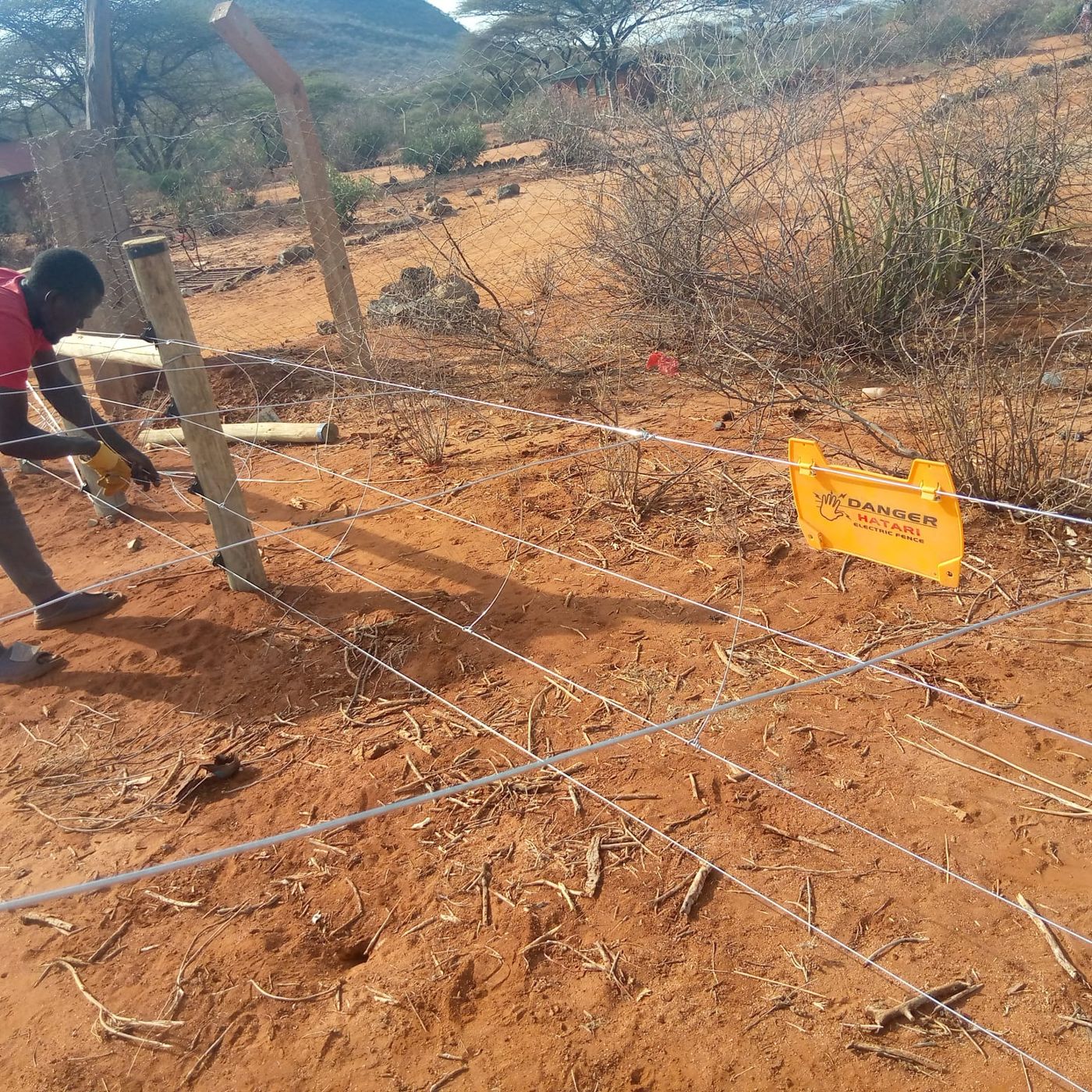
Why the fence matters
The electric fence is the safeguard for everything else. It stops uncontrolled grazing, protects young grasses while they establish, keeps the bunds from being trampled and gives the land uninterrupted time to recover. Without it, the gains from restoration could be undone in a single dry season.
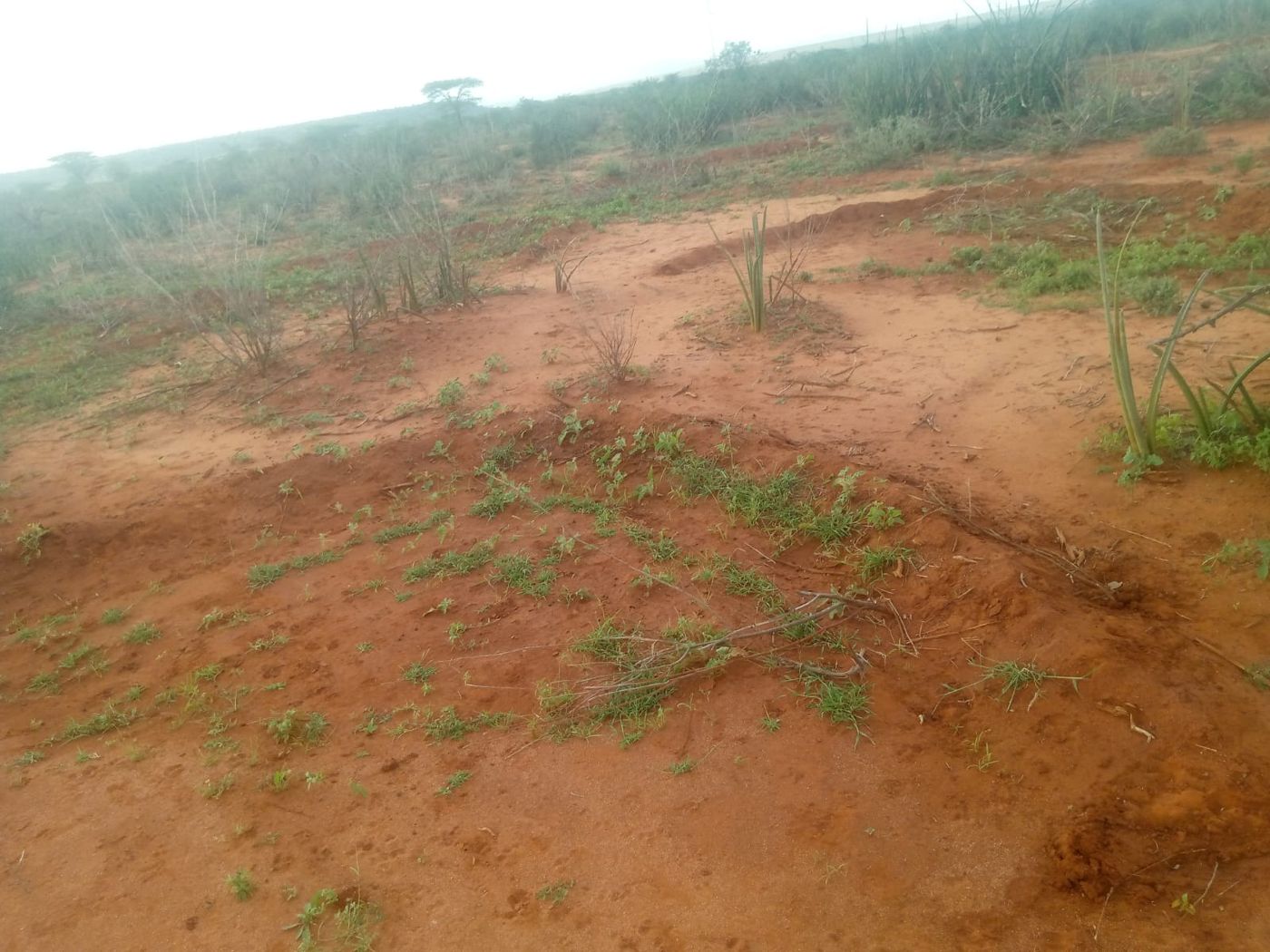
Half-moon bunds: catching every drop
Semi-circular bunds are low, half-moon-shaped earth banks laid across the slope. When it rains, they slow the runoff, hold the water in place so it soaks into the soil, and trap fertile soil and seeds that would otherwise wash away. Arranged in rows along the contour, they work together as a simple, low-cost water-harvesting system, and grass soon begins to grow inside and around each one.
What the recovery will bring
Over the coming seasons, the conservancy expects to see more vegetation cover, denser indigenous grasses, less erosion and bare ground, richer soil and better habitat for wildlife. For the community, that means more pasture once controlled grazing resumes, healthier livestock, more milk and better preparation for drought.
The site also has big plans for its next phase:
- A grass seed bank: mature grasses will provide indigenous seed for restoring other degraded areas across the conservancy, cutting costs and using species proven to thrive here.
- A livestock fattening programme: controlled, rotational grazing to improve animal condition before sale and raise household income.
- A link to carbon finance: as plant cover and root systems grow, the block can store more carbon and serve as a demonstration site for Lekurruki’s wider rangeland carbon work.
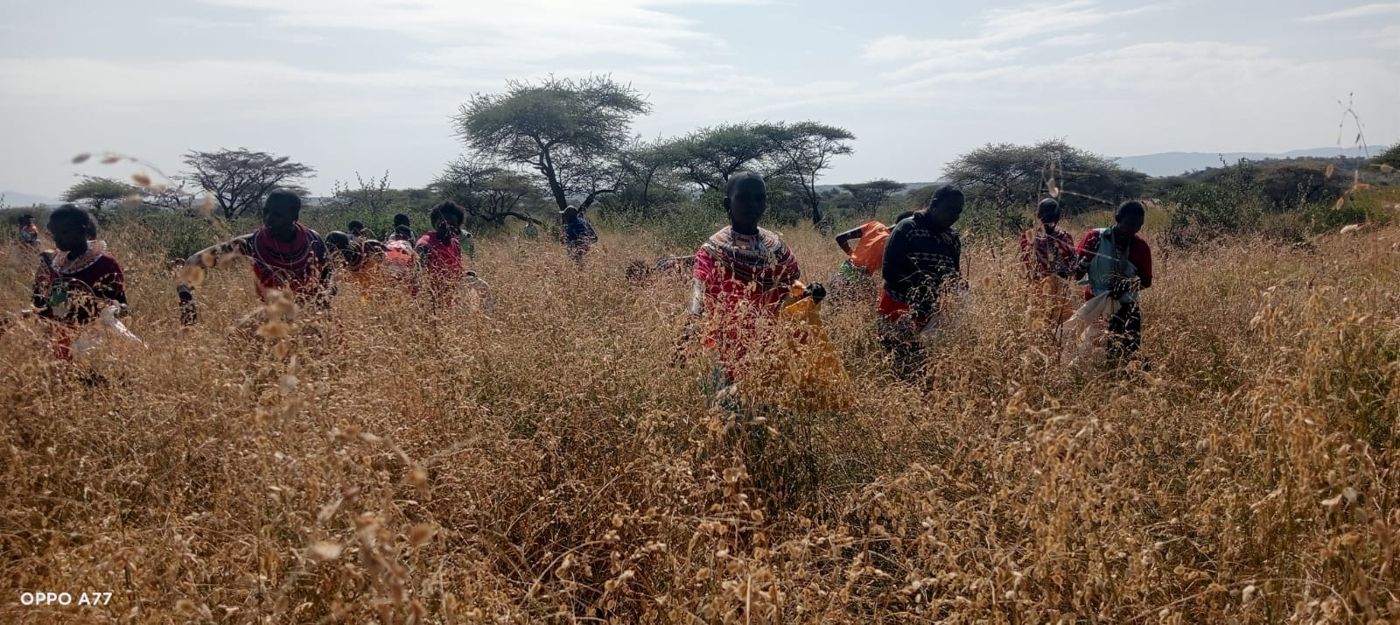
A celebration of community ownership
The launch formally commissioned the fence and rehabilitation works, recognised the partners and stakeholders behind them, and gave everyone a chance to walk through the site and see the progress for themselves. Most of all, it was a reminder that the Nyongoni Block belongs to the community, and its future rests in their hands.
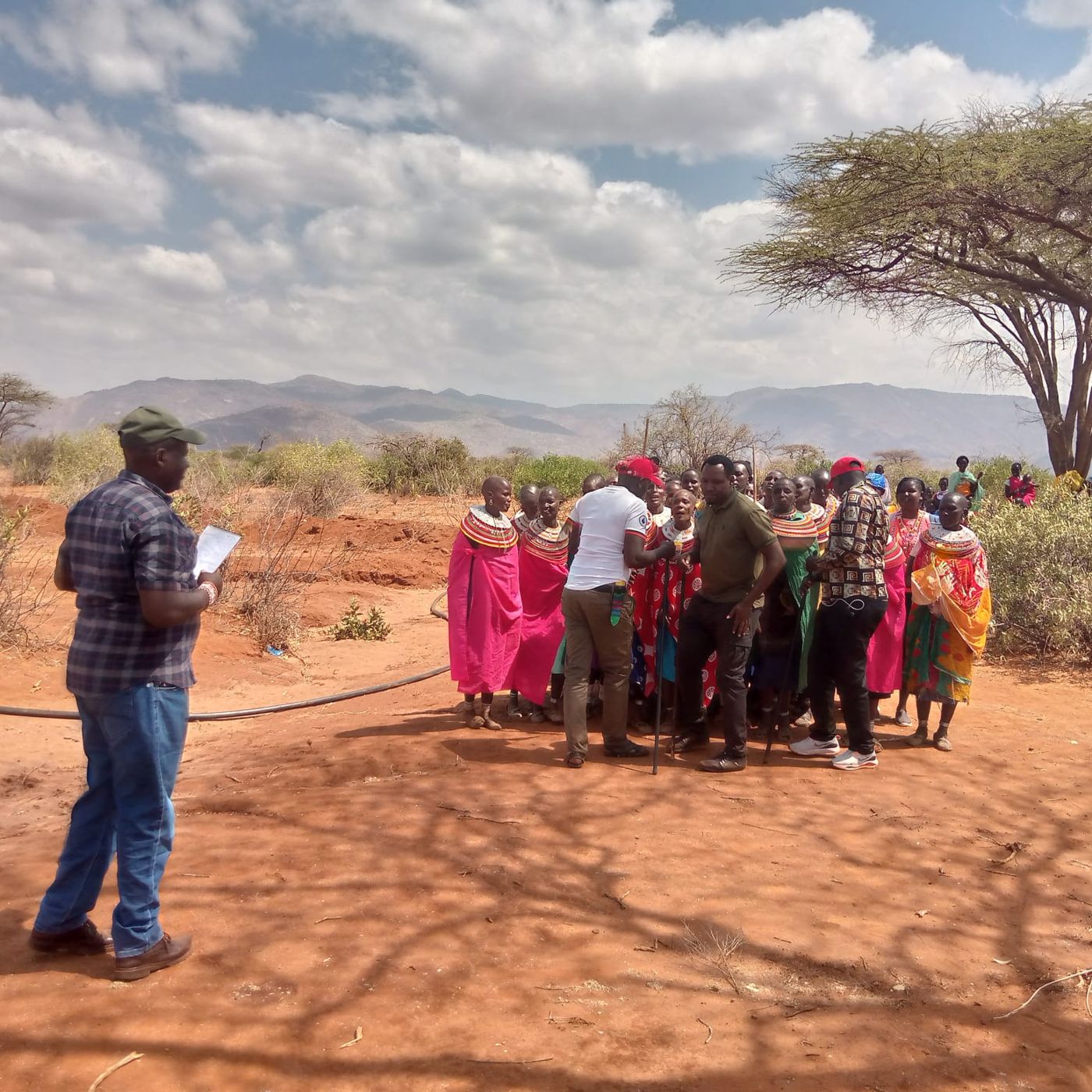
Every member of the community has a role to play: protecting the fence and reporting damage, respecting the site boundaries, preventing bush fires, reporting illegal grazing and following agreed grazing plans once grazing resumes. Lekurruki’s rangers will continue to patrol the area, and the conservancy plans regular fence and bund maintenance, ecological monitoring and a formal grazing management plan.
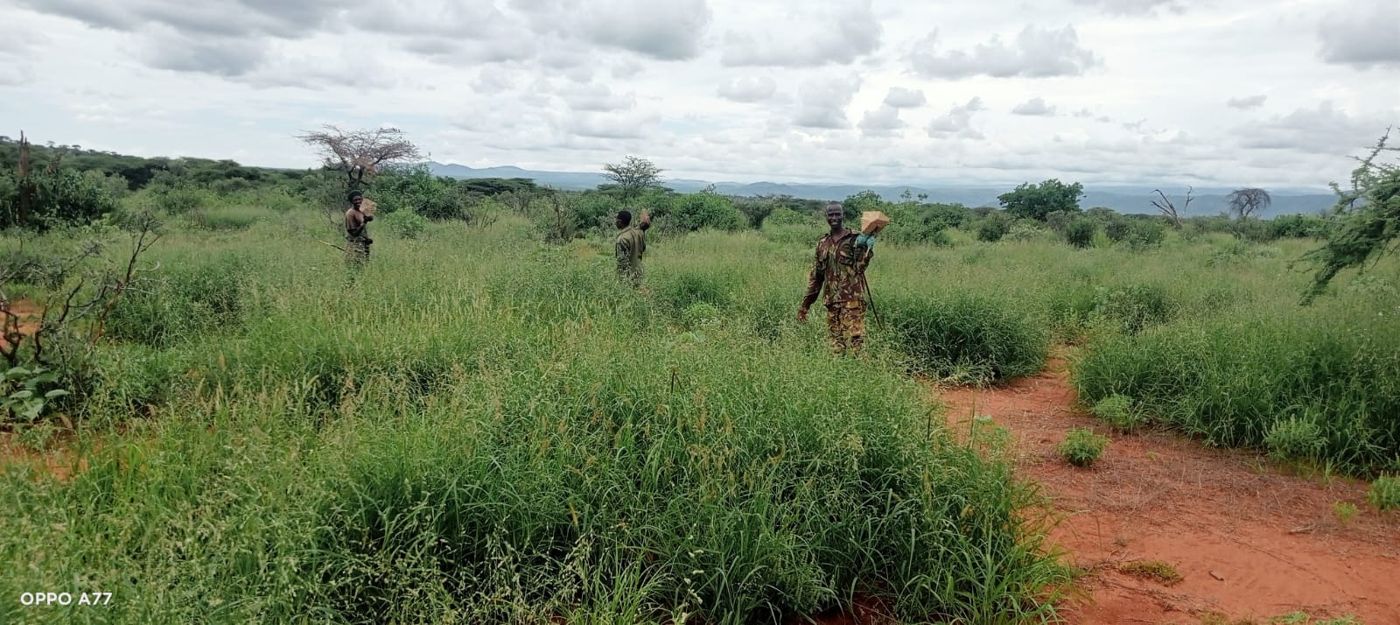
Restore nature, secure our future
What was once bare, eroding land is now protected, recovering and full of promise. When you stay at Tassia Community Lodge, you are supporting the Lekurruki community and the work they are doing to keep this landscape healthy for people, livestock and wildlife.
Together We Restore. Together We Prosper.